Culinary and Aromatic Herb Growing in Canada
A reference resource on growing kitchen herbs through Canada's short seasons — from first frost dates to container setups on balconies and patios in Ottawa, Toronto, Calgary, and Vancouver.


Herb Growing Through Canada's Short Seasons
Many culinary herbs originate from Mediterranean climates and need adaptation to grow well in Canadian conditions. Frost dates in Ottawa fall as early as mid-October and as late as April. Understanding last frost windows by province — not just by general zone — determines what gets started indoors and what can be direct-seeded.
Read the full guideHerbs Covered on This Site
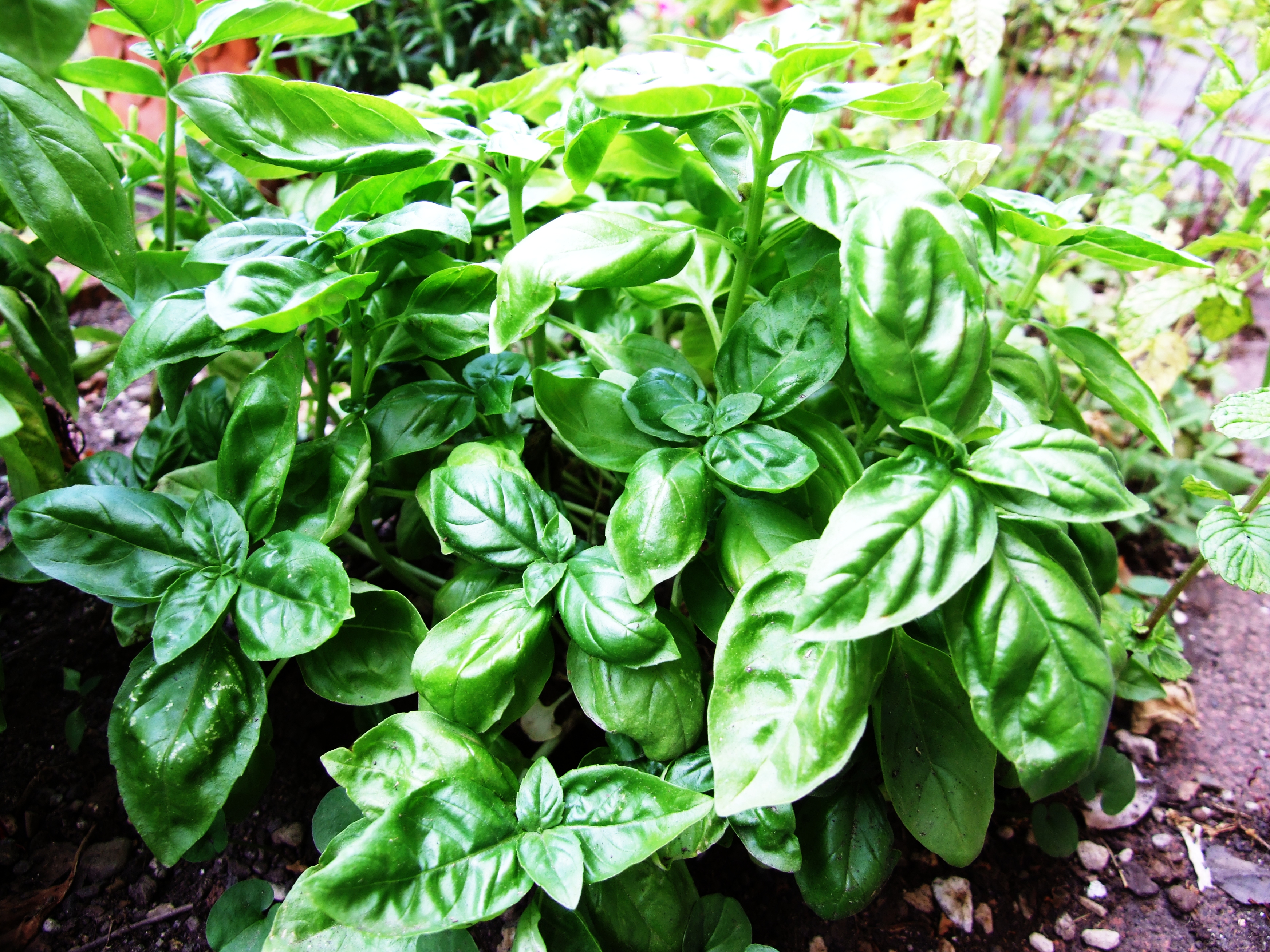
Basil
Needs consistent warmth above 10°C. Start indoors 6 weeks before last frost. Pinch flowers to extend harvest.

Mint
Grows aggressively. Best kept in containers to prevent spreading. Tolerates partial shade and moist soil.

Rosemary
Hardy only to Zone 7. Bring indoors before first frost in most Canadian regions. Needs full sun and good drainage.
Preserving Summer Harvests Through Winter
Canadian herb seasons are compressed. Most outdoor harvests happen between June and September. Air-drying works well for thyme, oregano, and rosemary. Basil and mint hold more flavour when frozen in ice cube trays with a small amount of water or olive oil. Each method has trade-offs in texture, aroma retention, and storage duration — covered in detail in the preservation article.
Indoor Herb Growing During Winter Months
Most Canadian winters make outdoor herb growing impractical from November through March. Windowsill setups with south-facing exposure can sustain chives, mint, and parsley through the cold months. Supplemental grow lights — LED strips rated at 2000–4000 lumens placed 15–20 cm above the foliage — extend the growing calendar significantly. This approach is covered in the container gardening article.
Container gardening guide
About CarawayLane
CarawayLane is an informational archive focused on herb gardening in Canadian climates. The content covers growing conditions specific to Canadian provinces, container setups adapted to apartments and small properties, and practical preservation methods that account for the short growing window most regions experience.
Articles are written with specific climate data, soil conditions, and seasonal timing relevant to Canada — not generalized advice transplanted from warmer regions. The goal is straightforward: accurate, detailed growing information for people working with Canadian weather.
Read more about this resourceContact
Get in touch
Email: info@carawaylane.org
Phone: +1 (613) 827-0045
Address: 214 Preston St, Ottawa, ON K1R 7P9, Canada
Response time is typically within 2 business days. Questions about specific herb varieties, growing conditions in your province, or content corrections are welcome.