
The Canadian growing season concentrates most herb production into a four-to-five-month window. Basil, dill, mint, rosemary, and thyme reach peak harvest between June and September in most of the country. Once the first frost arrives — October in central Canada, earlier on the Prairies — outdoor herbs are finished for the year. Preserving harvests before that cutoff makes the difference between having fresh-quality herbs through February and buying dried imports from a grocery shelf.
Three main methods apply to most culinary herbs: air-drying, freezing, and oil or vinegar infusion. Each method suits different herbs differently — the volatile aromatic compounds that give herbs their flavour behave differently under heat, cold, and fat. The choice of method affects both quality and shelf life.
When to Harvest for Preservation
Harvesting for preservation follows the same timing as harvesting for fresh use, but with more urgency as the season progresses. For most leafy herbs — basil, mint, parsley, chives — harvest in the morning after any dew has dried but before midday heat reduces essential oil concentration. Studies published by researchers at the University of Guelph's Ontario Agricultural College note that aromatic compound levels in basil peak just before flowering and decline once the plant has fully flowered.
Harvest no more than one-third of the plant's growth at one time during the active growing season. This allows the plant to recover and continue producing. In late August and early September, when the season is nearly over, a heavier harvest — taking two-thirds or more of the above-ground growth — is reasonable since the plant has limited time to recover before the first frost ends outdoor production anyway.
Air-Drying

Air-drying is the oldest and most widely applicable preservation method for herbs. It works best for low-moisture herbs with small, tough leaves and concentrated aromatic oils: rosemary, thyme, oregano, marjoram, sage, and lavender. These herbs retain flavour through the drying process because their aromatic compounds are relatively stable at room temperature.
The method is less suited to high-moisture herbs like basil, mint, parsley, and chives. Basil darkens and loses much of its fresh character during slow air-drying — it is better frozen or used to make infused oil. Parsley and chives dry adequately but are better frozen for most culinary purposes.
Air-Drying Method
- Wash and shake dry harvested stems. Inspect for insects — aphids and spider mites hide on the underside of leaves and will remain through the drying process if not removed.
- Bunch 5–8 stems loosely with a rubber band or twine. The rubber band adjusts as stems shrink during drying, which twine does not.
- Hang bunches upside down in a warm (18–24°C), dry, well-ventilated location away from direct sunlight. UV light degrades colour and some volatile compounds. A dry corner of a kitchen, a pantry, or a spare bedroom with the window cracked works well.
- Allow 1–3 weeks for most herbs to dry fully. Rosemary with thick stems takes longer than thyme. The leaves should crumble easily between fingers when fully dry.
- Strip leaves from stems and store in airtight glass jars away from heat and light. Label with the herb name and date. Well-dried rosemary and thyme retain good flavour for 12–18 months; parsley and chives for 6–9 months.
In humid Canadian climates — particularly in late August when Atlantic storm systems push moisture inland — drying can be slower and mould can become a problem. A dehydrator set to 35–40°C speeds the process and eliminates humidity as a variable. Most dehydrator manufacturers recommend keeping herb drying temperatures below 43°C to avoid cooking the aromatic oils out of the leaves.
Freezing
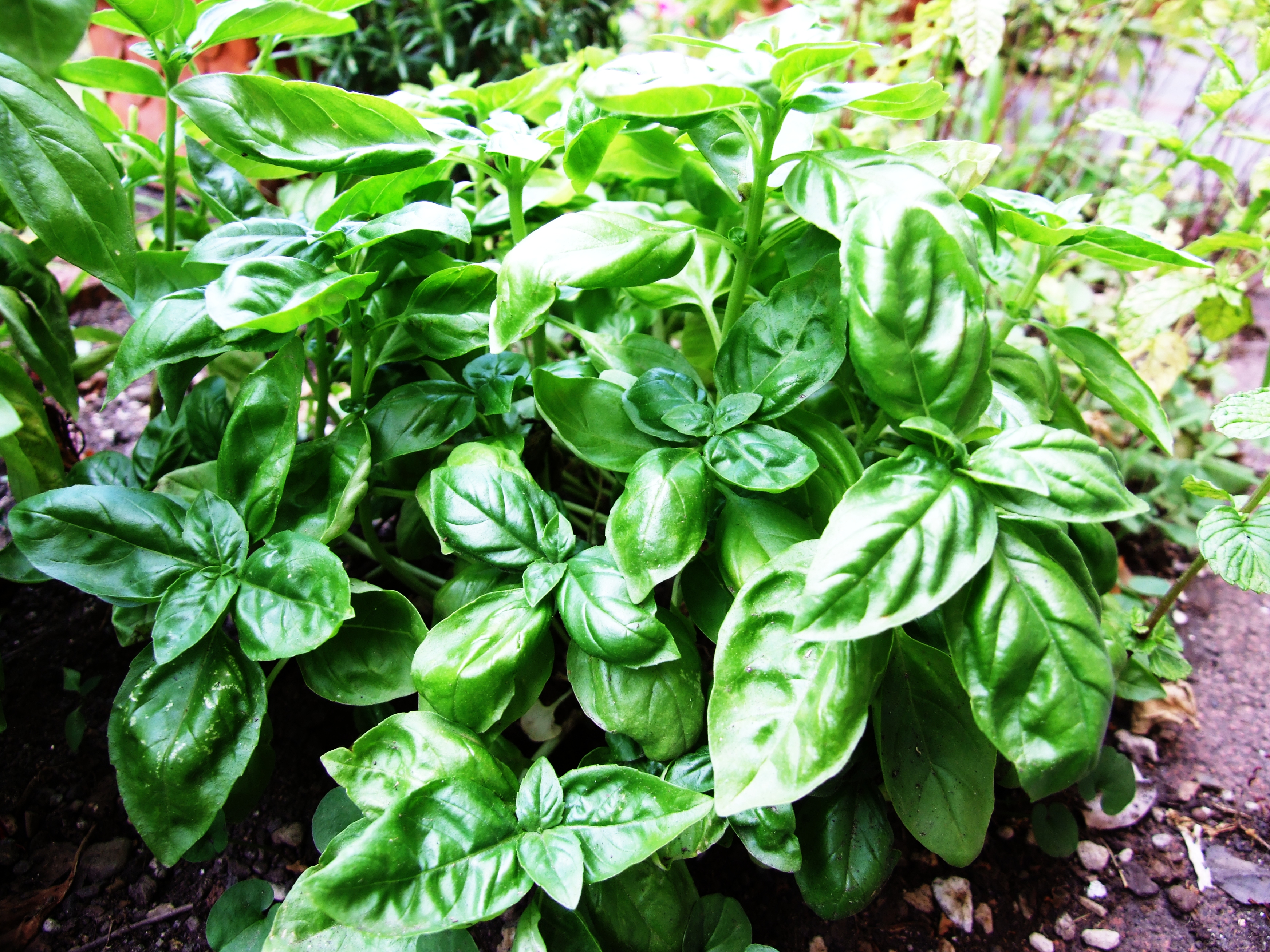
Freezing preserves aromatic compounds in basil, mint, and parsley far more effectively than air-drying. The trade-off is texture — frozen herbs go limp when thawed and are not suitable for fresh garnishing. They are, however, nearly equivalent to fresh for cooked applications: added to soups, sauces, stir-fries, and pasta dishes during the last few minutes of cooking.
Ice Cube Method
The most practical freezing approach for most Canadian home kitchens:
- Chop washed herbs finely or leave whole, depending on intended use.
- Pack each compartment of a standard ice cube tray with herbs to roughly half full.
- Fill with water (for neutral-flavoured herbs like chives and parsley) or good-quality olive oil (for basil and mint, where oil better carries the aromatic character).
- Freeze until solid, then transfer cubes to a sealed freezer bag or container. Label with herb name and date.
- Store for up to 6 months. Basil ice cubes frozen in oil retain flavour well for 4–5 months; water-frozen chives for up to 6 months.
An alternative to the cube method is spreading washed and dried herbs in a single layer on a baking sheet lined with parchment, freezing solid, then transferring to a bag. This produces individual loose frozen herbs that can be pinched off in small quantities without thawing the whole batch.
Herb-Infused Oils and Vinegars
Infused oils concentrate the aromatic character of fresh herbs in a form that keeps for several months and transfers flavour efficiently to cooked dishes. Rosemary oil, thyme oil, and basil oil each have distinct applications in the kitchen. The process is straightforward but has one important food safety consideration.
Cold-Infused Herb Oils
Important note on food safety: Fresh herbs in oil create a low-oxygen, low-acid environment that supports Clostridium botulinum growth if left at room temperature. Health Canada's food safety guidelines specify that herb-infused oils prepared with fresh herbs must be refrigerated and used within 1–2 weeks, or the herbs must be acidified or dried before infusing. The US Food and Drug Administration provides similar guidance. Infused oils stored at room temperature must use thoroughly dried herbs only — never fresh.
For refrigerator-stored oils: pack clean, dry herb sprigs into a sterile glass jar, cover with oil (olive or a neutral oil), seal, and refrigerate. Use within 10 days. The oil takes on the herb character within 24–48 hours of preparation.
For shelf-stable oils: use oven-dried herbs only. Bake herb sprigs at 100°C for 30 minutes to remove all moisture before adding to oil. Store at room temperature for up to 3 months.
Herb Vinegars
Vinegar's acidity prevents bacterial growth, making herb vinegars safer for room-temperature storage than oils. White wine vinegar and apple cider vinegar both work; white wine vinegar preserves the colour and flavour of delicate herbs like tarragon and chives better. Pack clean herbs into a sterile glass jar, cover with vinegar heated to just below simmering (not boiling), seal, and allow to infuse for 2–3 weeks before straining. Herb vinegars keep well for 6–12 months stored away from light.
Comparing Methods by Herb
Quick Reference
Basil: Freeze in oil or water. Air-drying produces poor-quality results — leaves darken and flavour diminishes significantly.
Mint: Freeze in water or oil for cooking use. Air-dry for tea blends where colour matters less than concentration.
Rosemary: Air-dry or infuse into oil. Freezes adequately but air-dried rosemary is the most common and practical form.
Thyme: Air-dry. Thyme is among the best herbs for air-drying — it retains flavour well and dries quickly.
Chives: Freeze (ice cube method or loose on a tray). Air-drying produces a poor-quality product for most culinary applications.
Parsley: Freeze for cooking use. Air-drying is possible but frozen parsley retains notably more flavour for hot preparations.
Dill: Both air-drying (for seeds and fronds used in pickling) and freezing (for fresh dill frond flavour in cooked dishes) are effective. Dill vinegar is a traditional preservation method well-suited to Canadian dill production.
Storage Conditions and Quality Over Time
Preserved herbs — whether dried, frozen, or infused — degrade over time. Heat, light, and oxygen accelerate the degradation of volatile aromatic compounds. The practical measures for extending shelf life are: airtight storage (glass jars with sealed lids outperform open containers and loosely sealed bags), storage away from the stove and direct light sources, and labelling with dates so older preserves are used before newer ones.
Dried herbs stored in small batches lose flavour faster than those stored in larger quantities, because each time a jar is opened it admits oxygen. Storing a full season's thyme in two smaller jars rather than one large jar means the second jar stays sealed until the first is used up, preserving more flavour in the remaining stock.
Updated: May 4, 2026 | See also: Health Canada — Safe Food Storage

